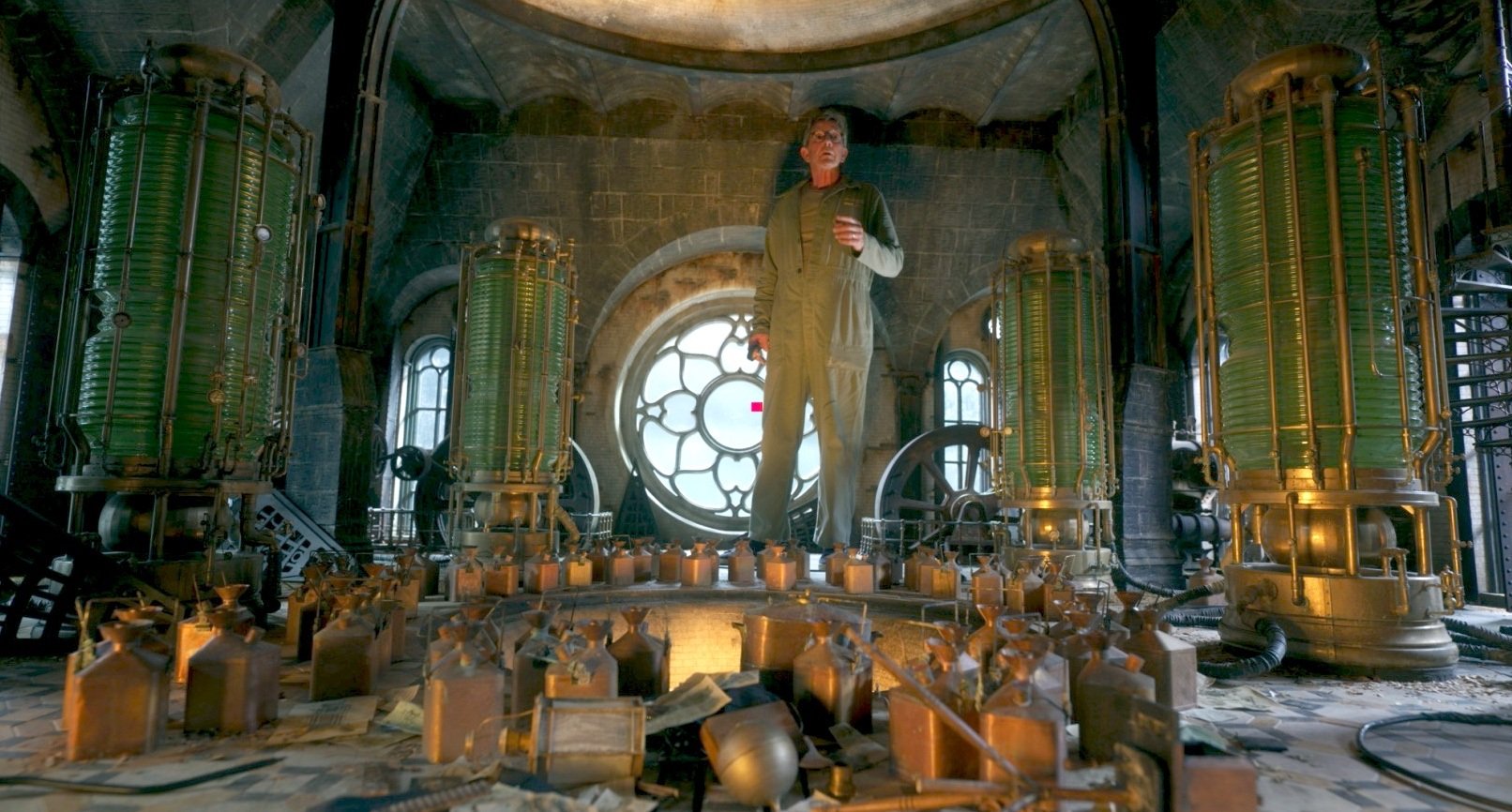
Frankenstein in Miniature: Building, and Destroying, Victor's Lab
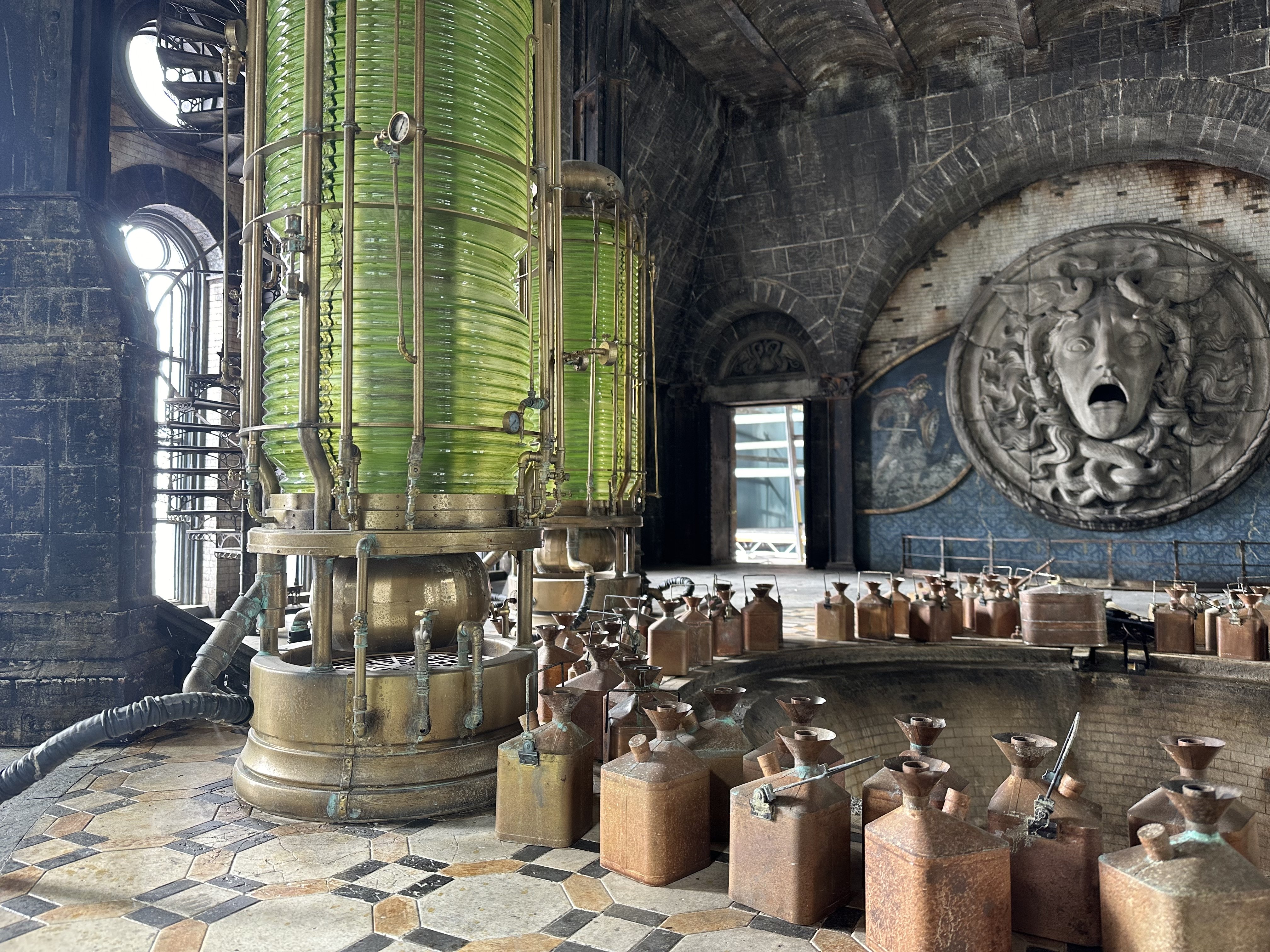
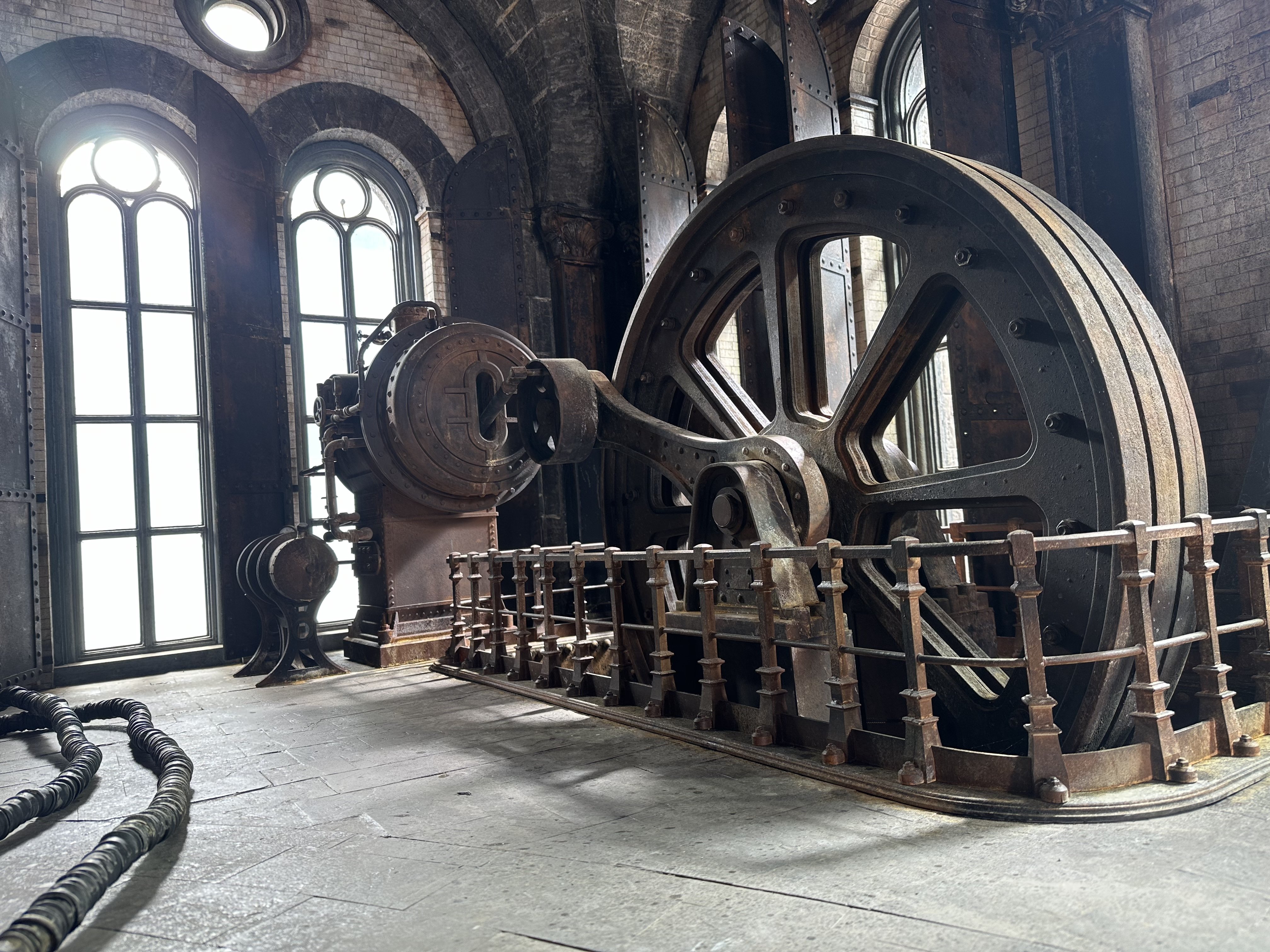
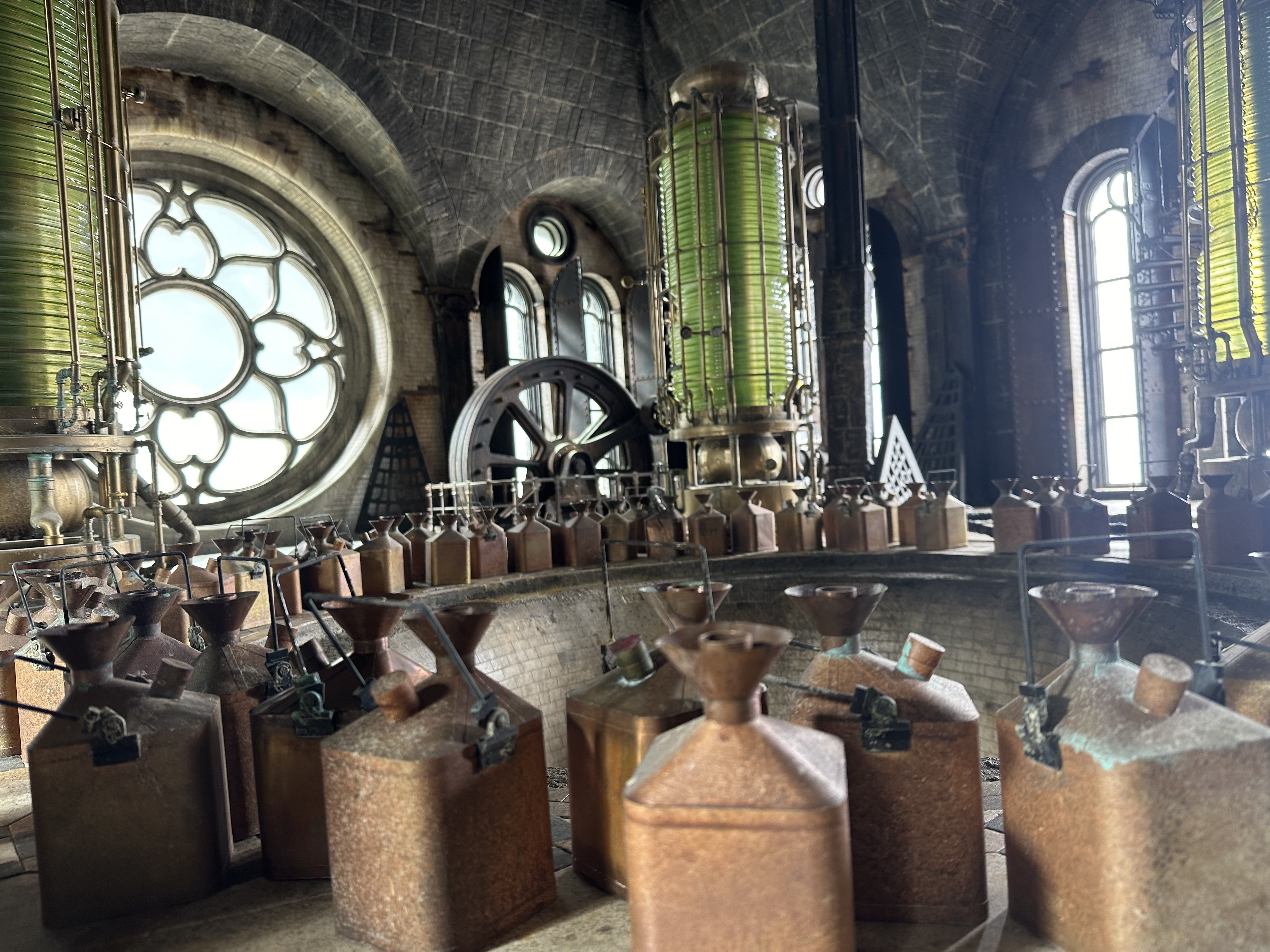
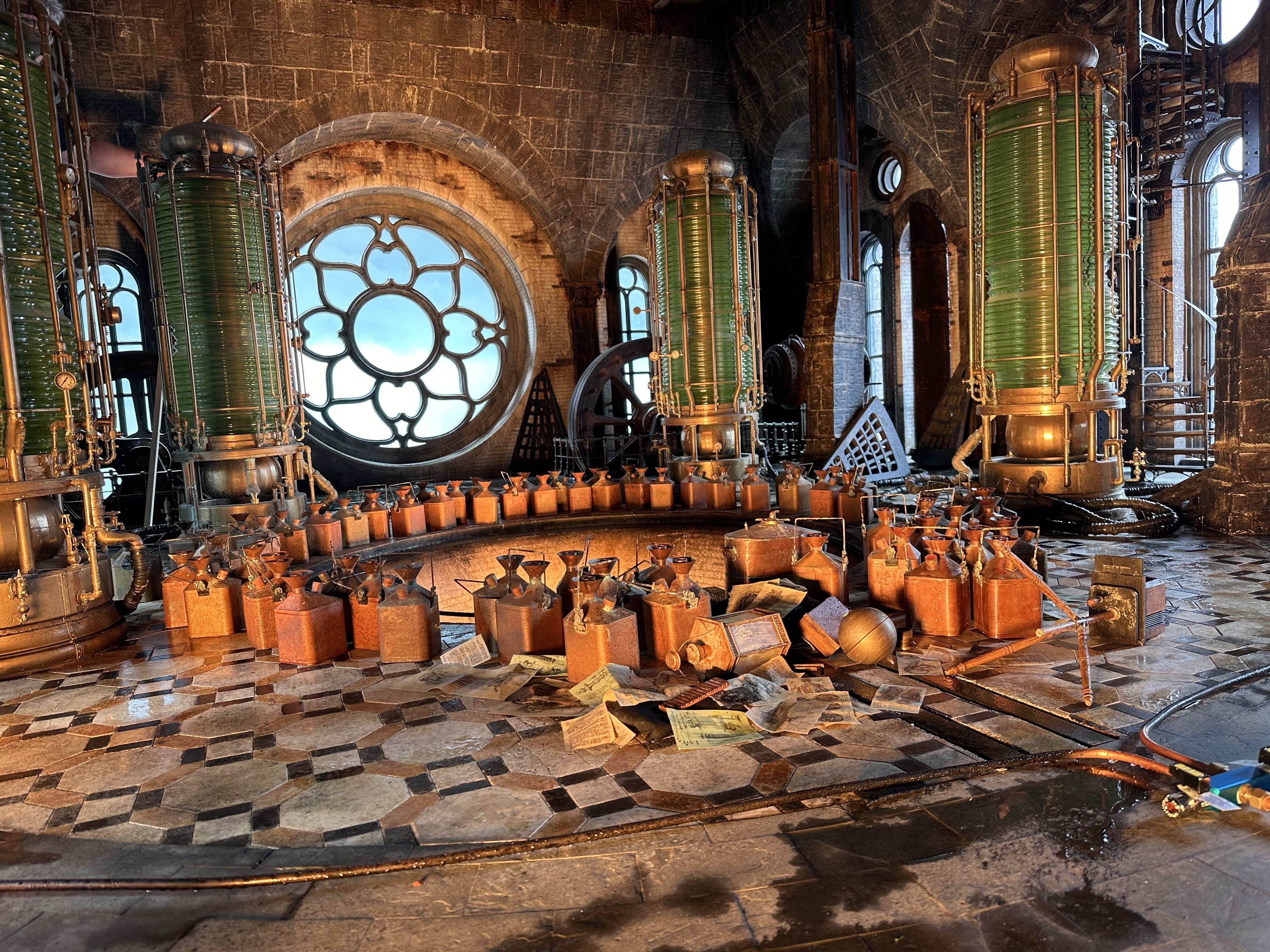
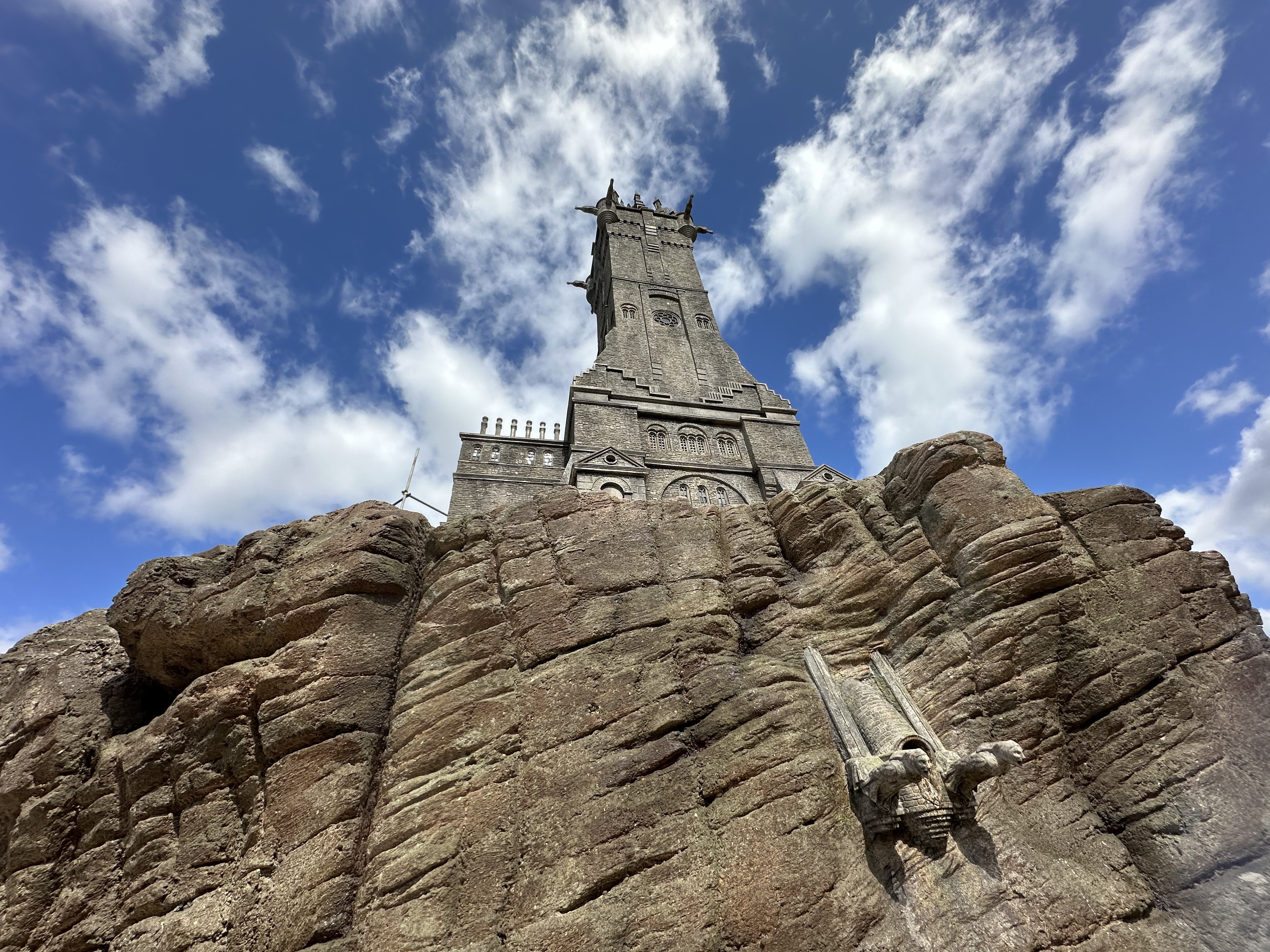
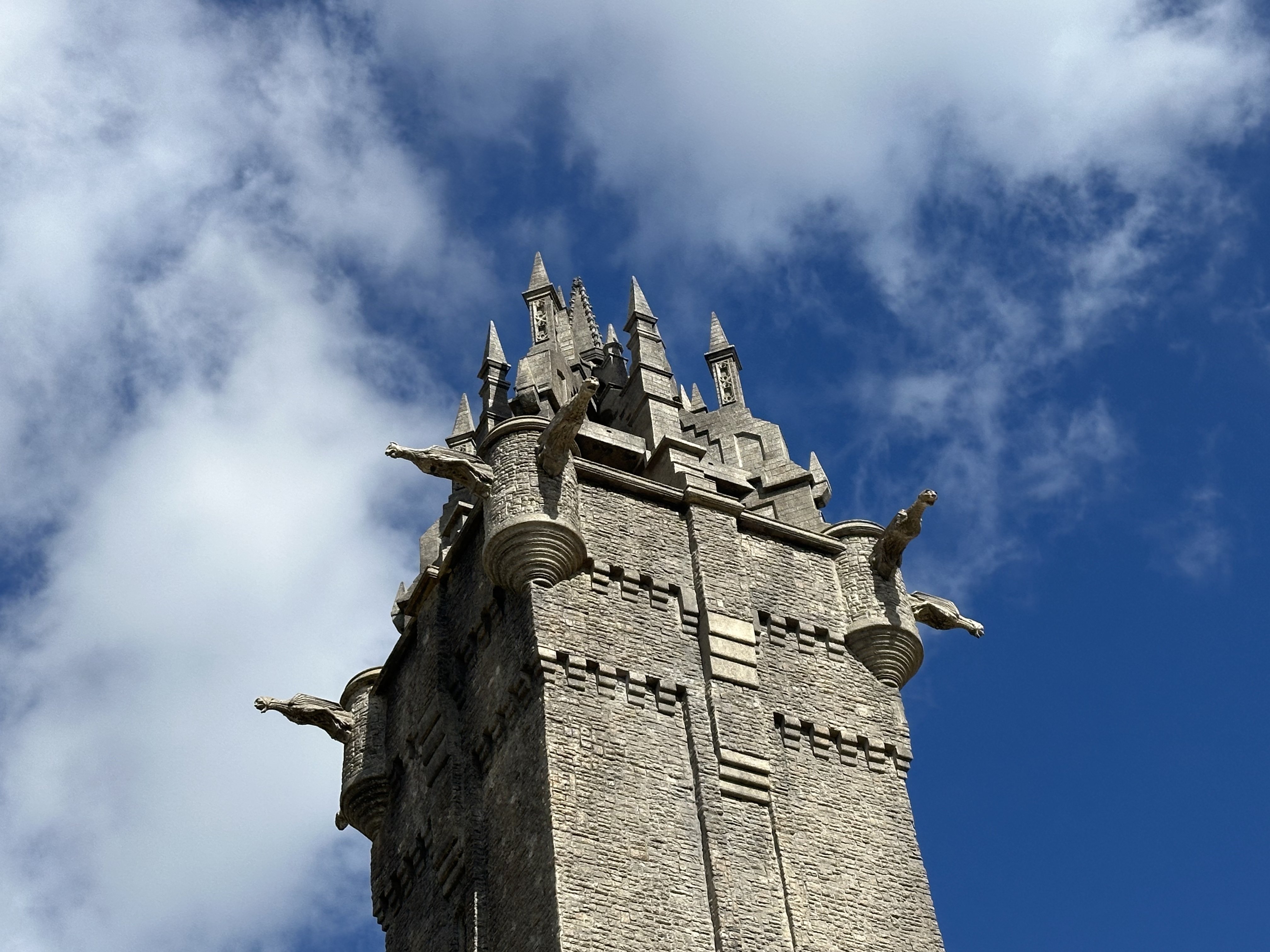
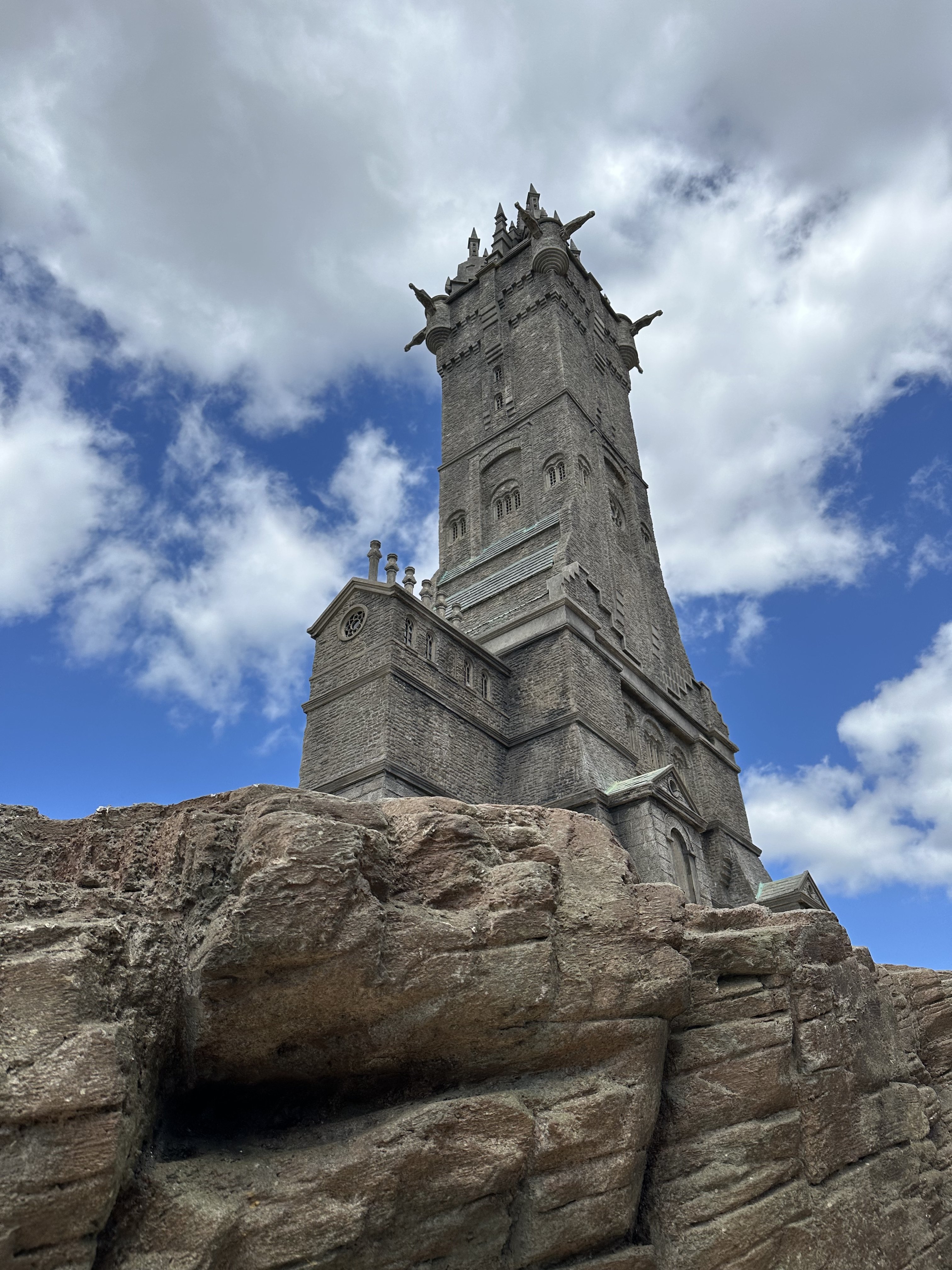
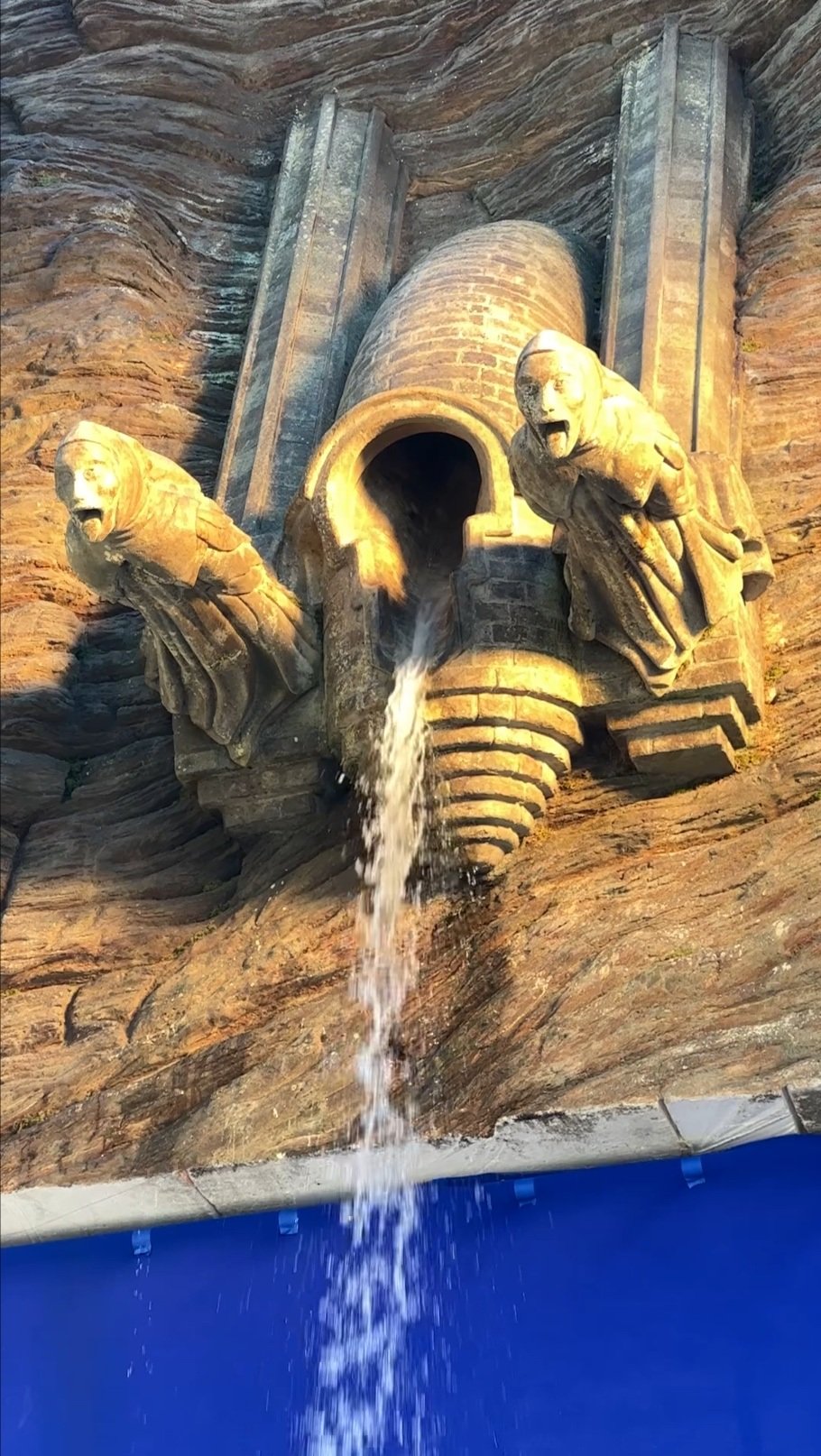
This photo gallery offers multiple views of the miniature builds that helped bring Victor Frankenstein's laboratory to life for Guillermo del Toro's gothic science-fiction feature.
Editors' note: This spotlight on the visual effects of Frankenstein is part of AC's in-depth coverage of the film, which is featured in our December 2025 issue. Below is an expanded photo gallery showcasing the production's miniature builds.
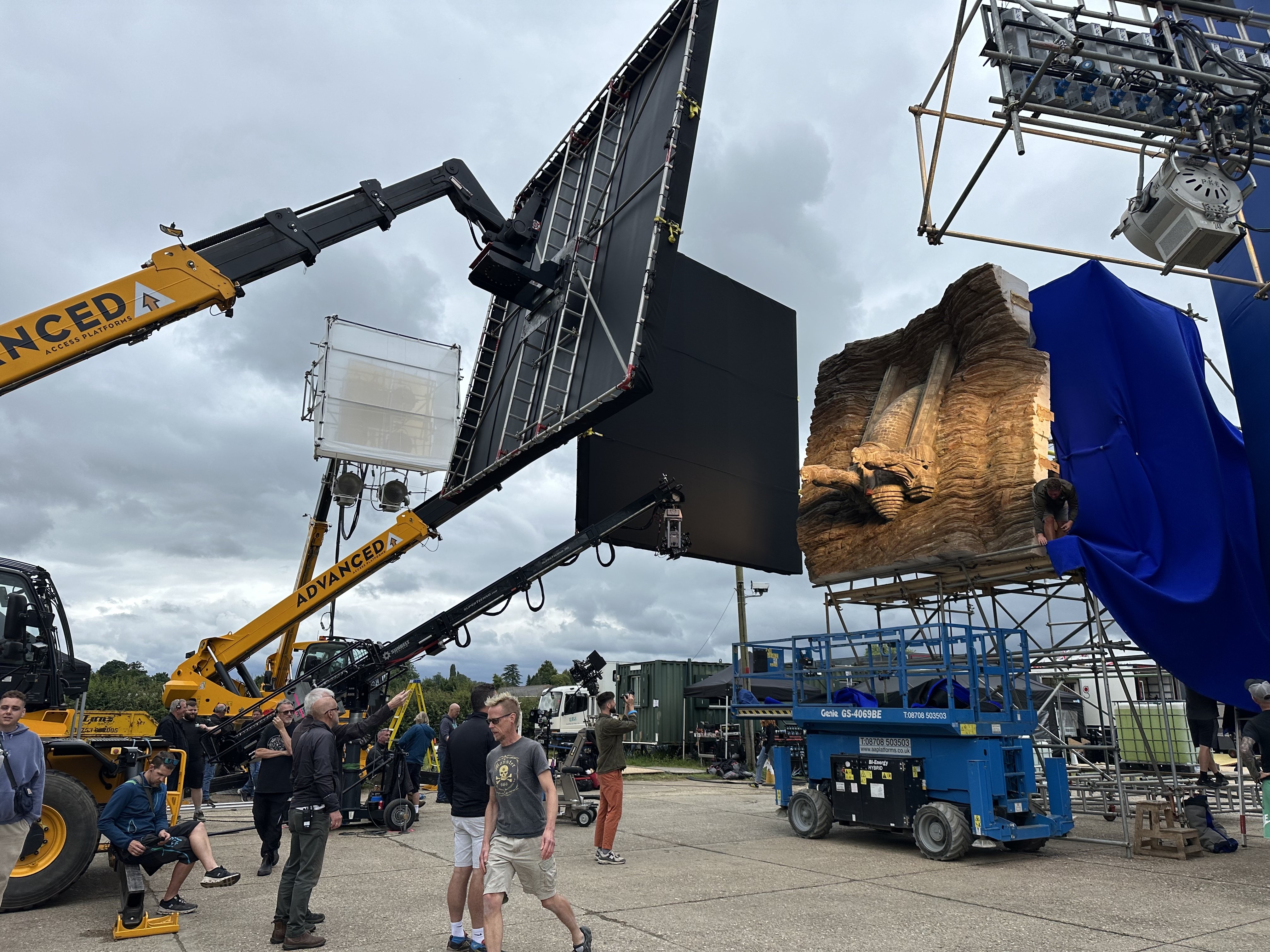
Frankenstein’s laboratory, a neo-Gothic pinnacle on a rugged Scottish clifftop, took shape in miniature for establishing scenes and for the tower’s destruction. Dan Laustsen, ASC, DFF photographed the miniatures — working with miniature supervisor José Granell and Nigel Stone, BSC at The Magic Camera Company — and accompanied Del Toro and VFX supervisor Dennis Berardi for five weeks at White Waltham Airfield in England.
“First, we shot wide shots of the tower outside on a parking lot,” says the cinematographer. “We then shot miniature laboratory interiors collapsing. It was a challenge to match the lighting for the miniatures to the full-scale sets, and when shooting miniatures, you have to shoot high speeds at around T11 to get the depth of field. But it was a fantastic experience and so much fun.”

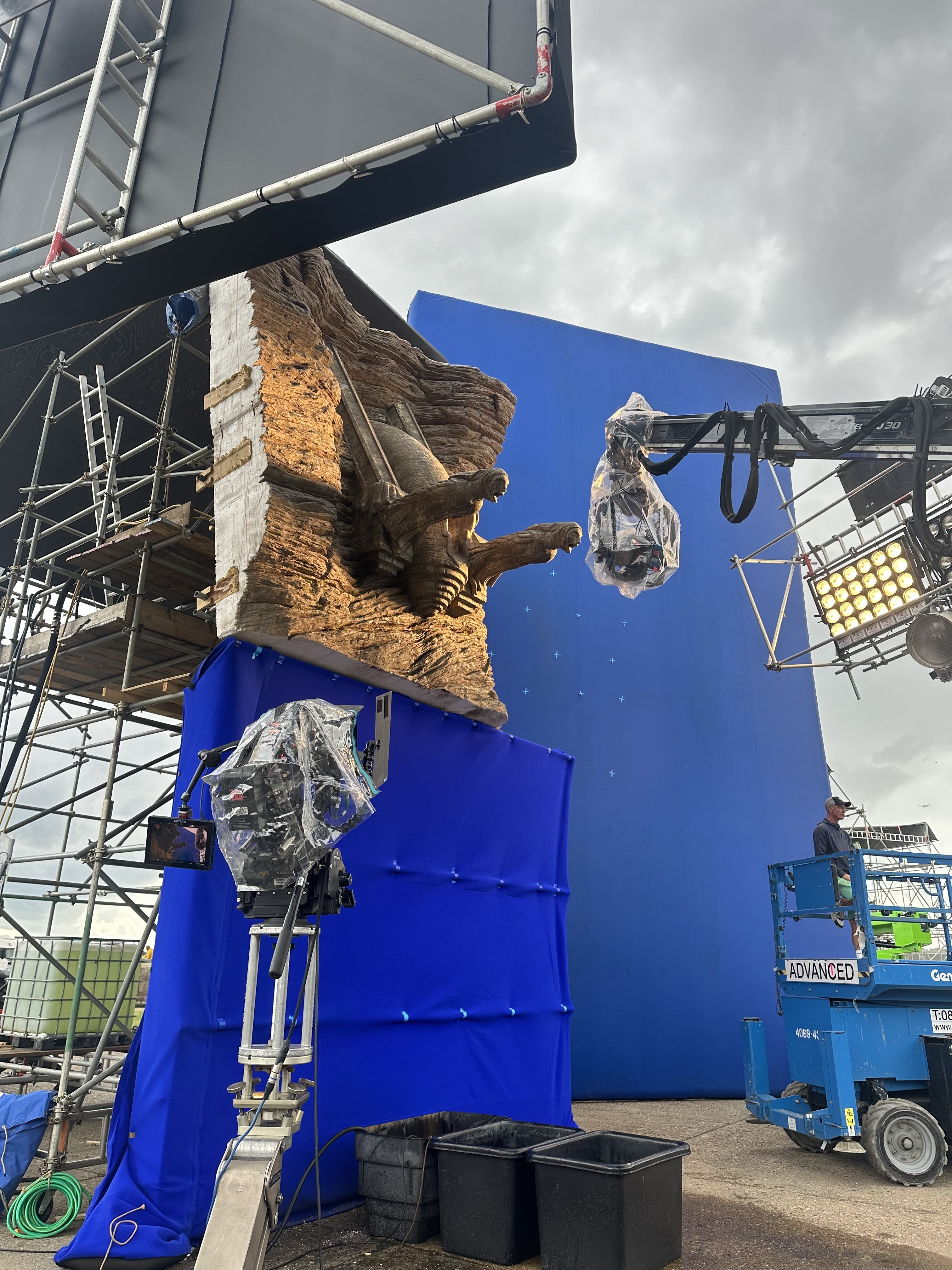
The filmmakers covered the miniatures using five Red V-Raptor XLs with Arri Signature Prime lenses and elected to shoot without Laustsen’s signature Tiffen Black Pro-Mist filtration. “I wanted to capture as much dynamic range as possible in the miniatures,” says Berardi. “I also knew we’d be adding a lot of digital enhancements. We shot takes with the Pro-Mist as reference, but we shot our hero takes clean.”
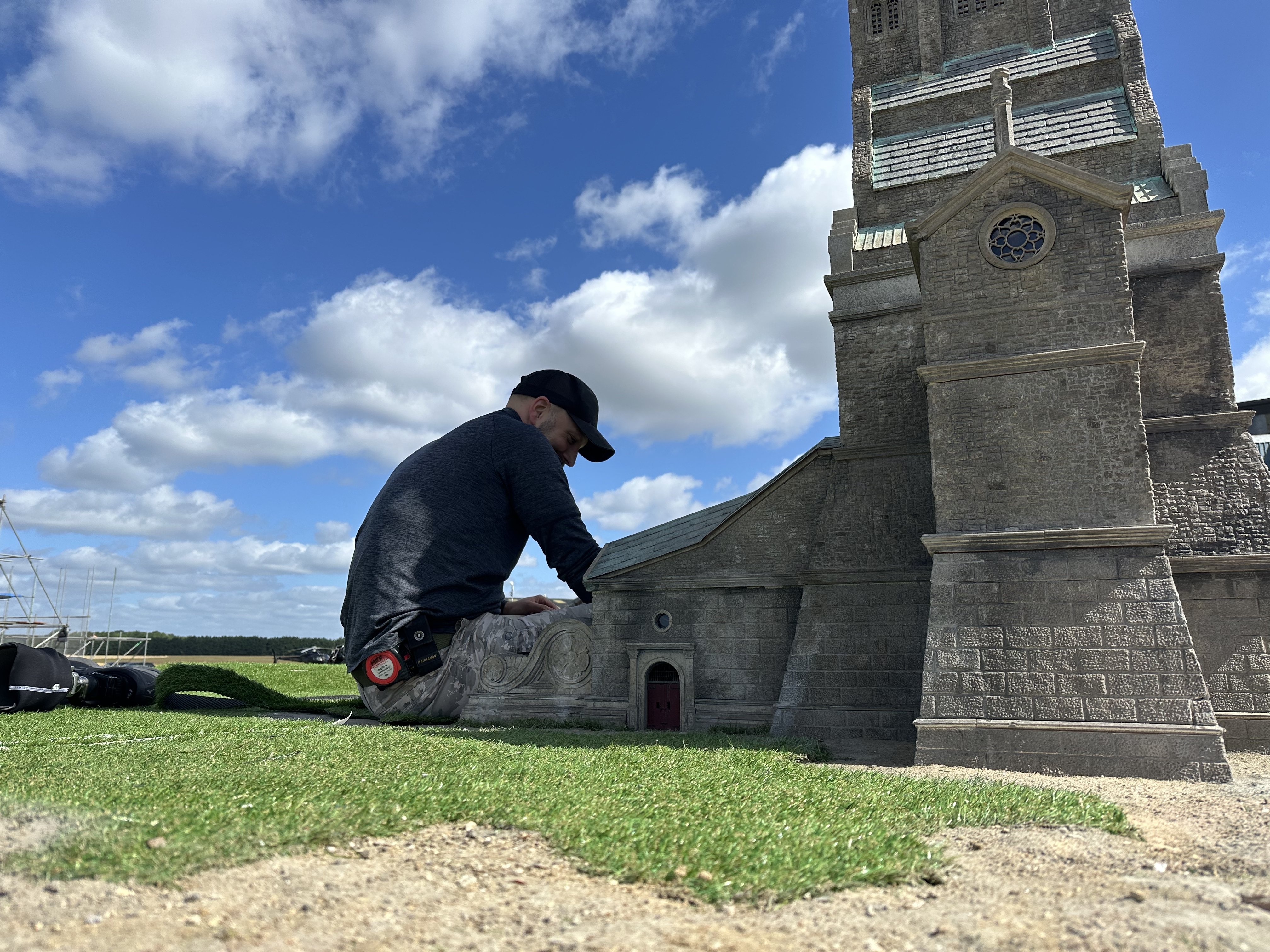
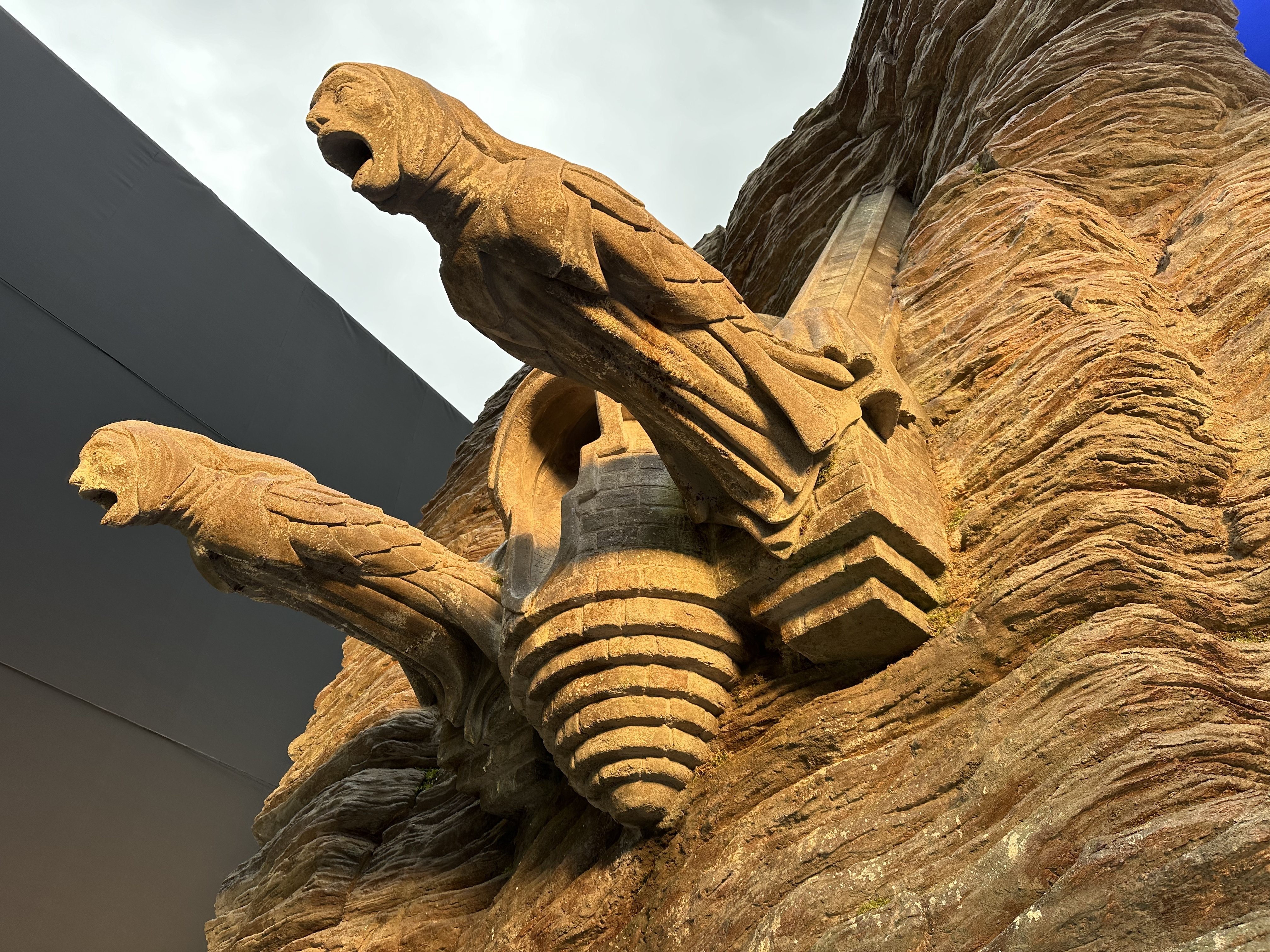
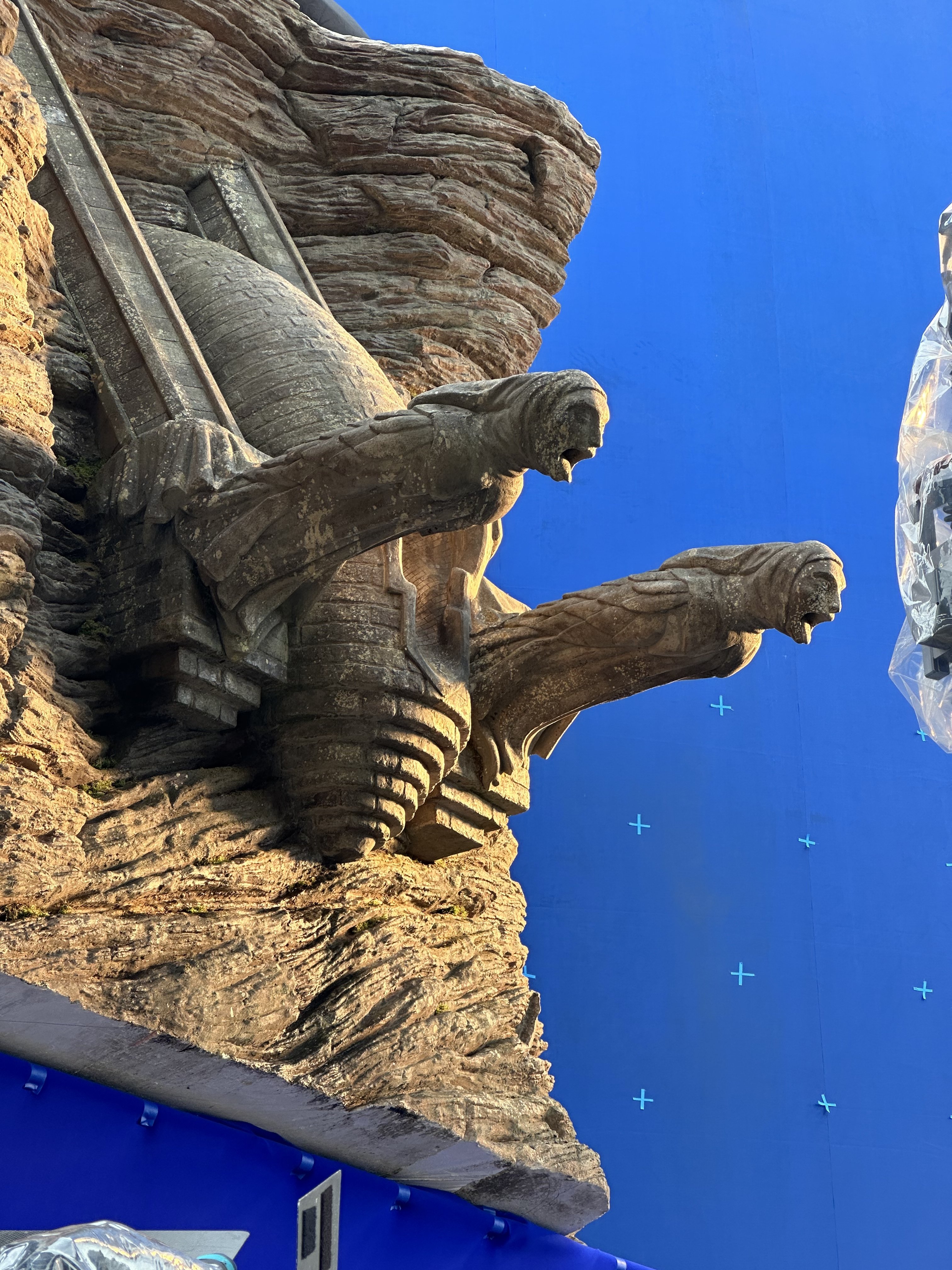
For wide exteriors, Magic Camera Company built a 1/40-scale tower, which stood 11'6" tall, surrounded by a 24'x18' landscape. Two additional 1/20-scale towers were used for close-up details and for up-angles. VFX then sampled textures in digital set extensions. For scenes wherein Frankenstein causes the tower to explode in flames, technicians rigged more than 120 pyrotechnic events. Rubble then served for VFX composites of the ruined aftermath.
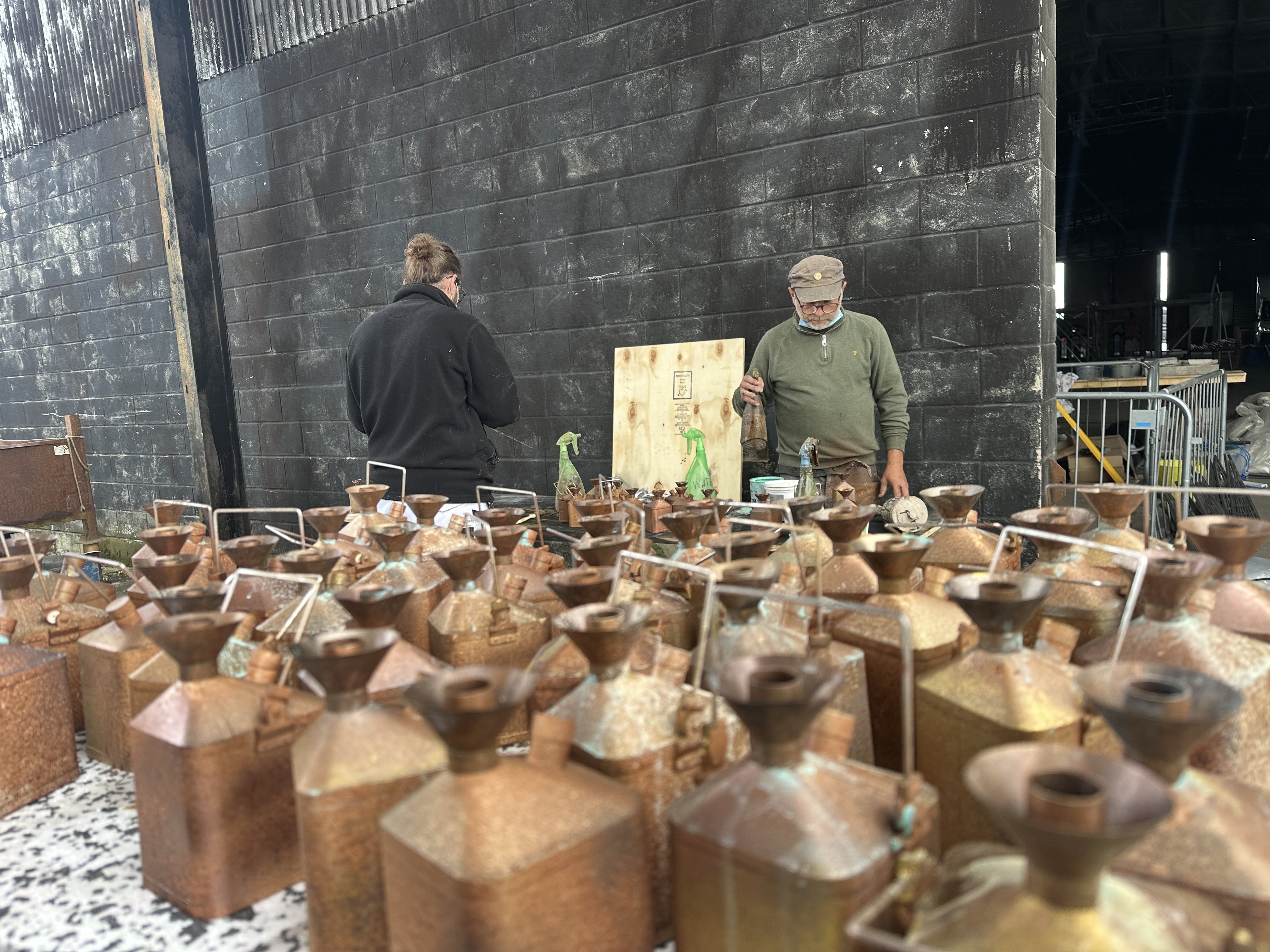
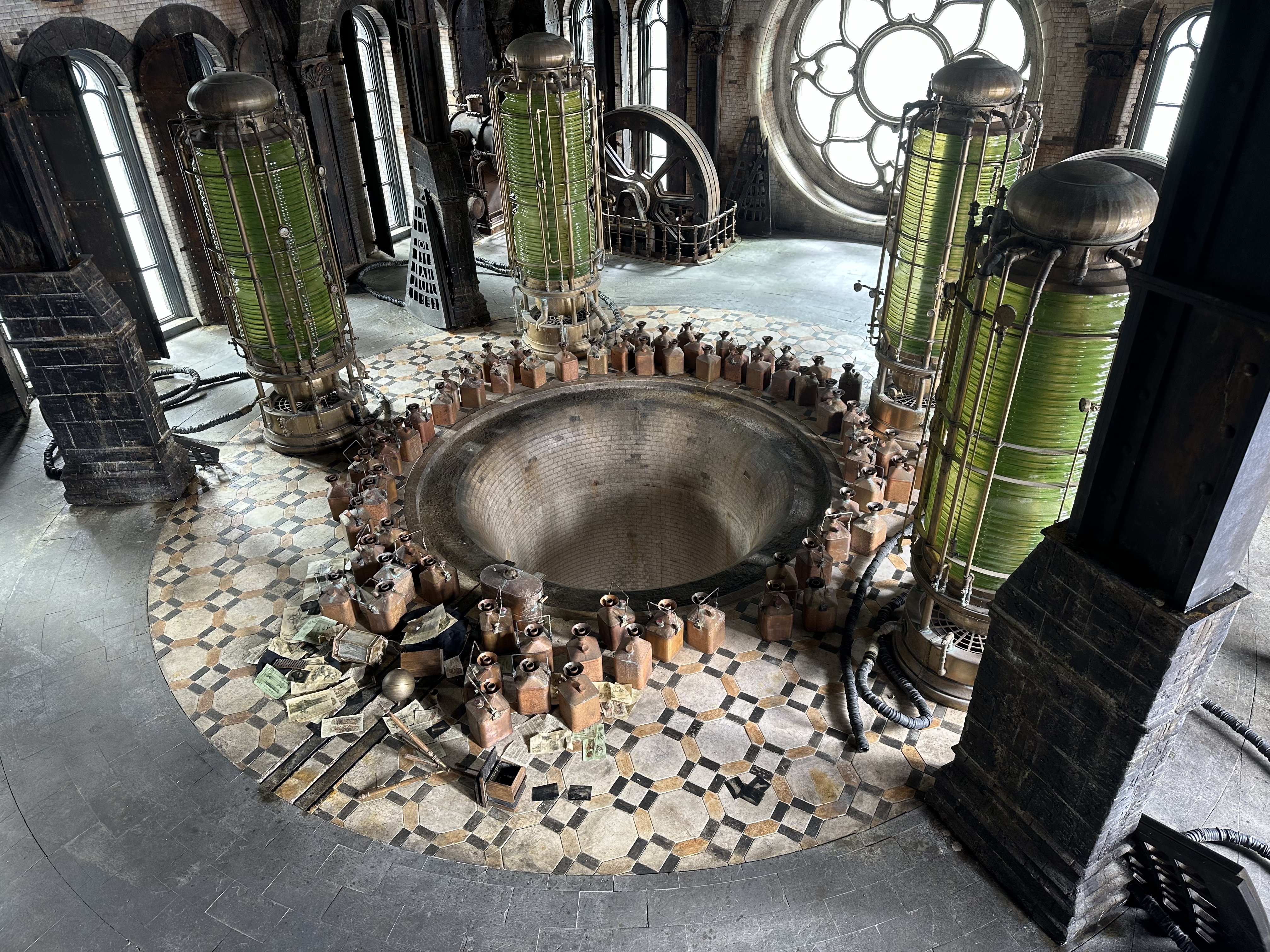
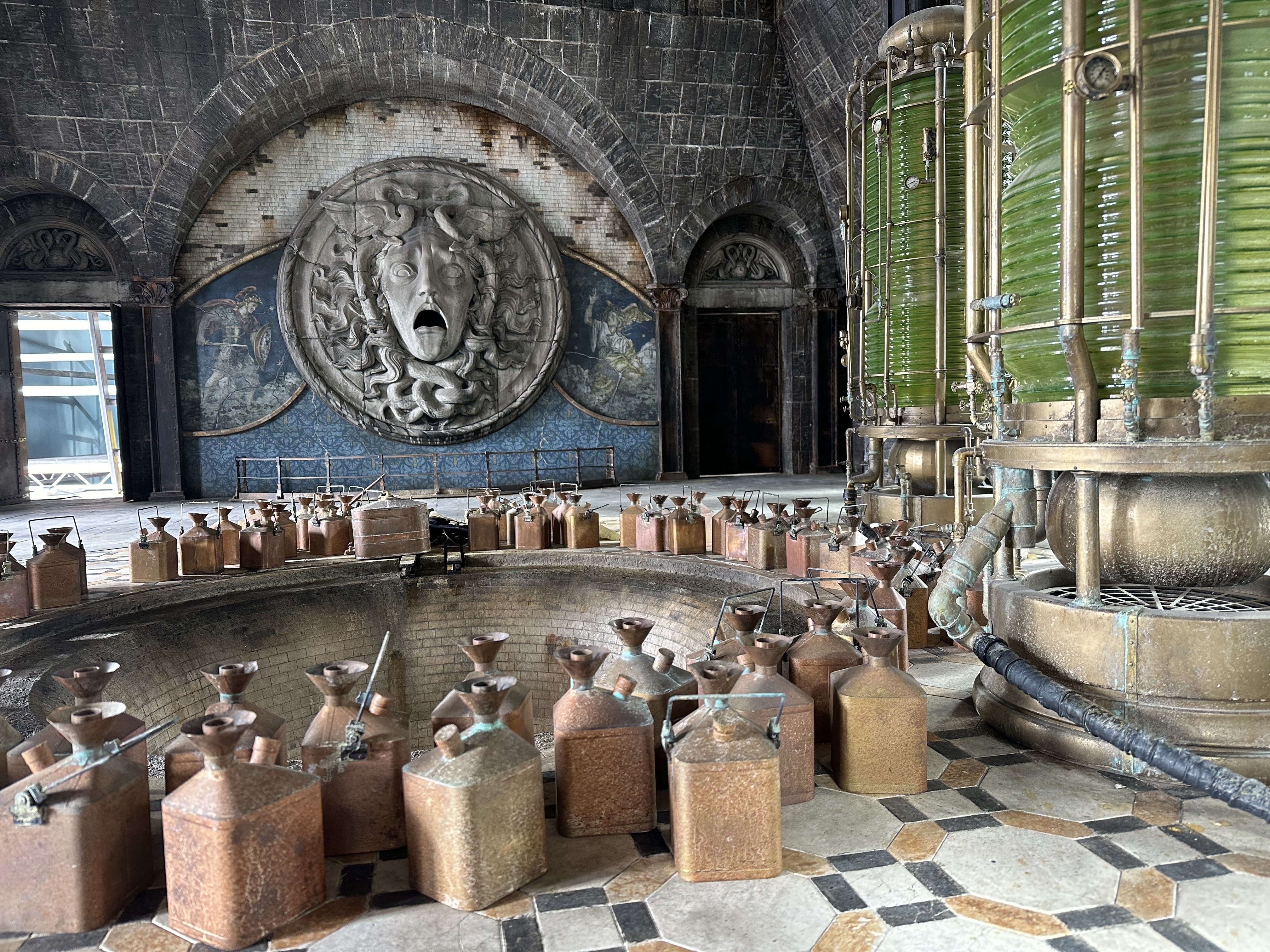
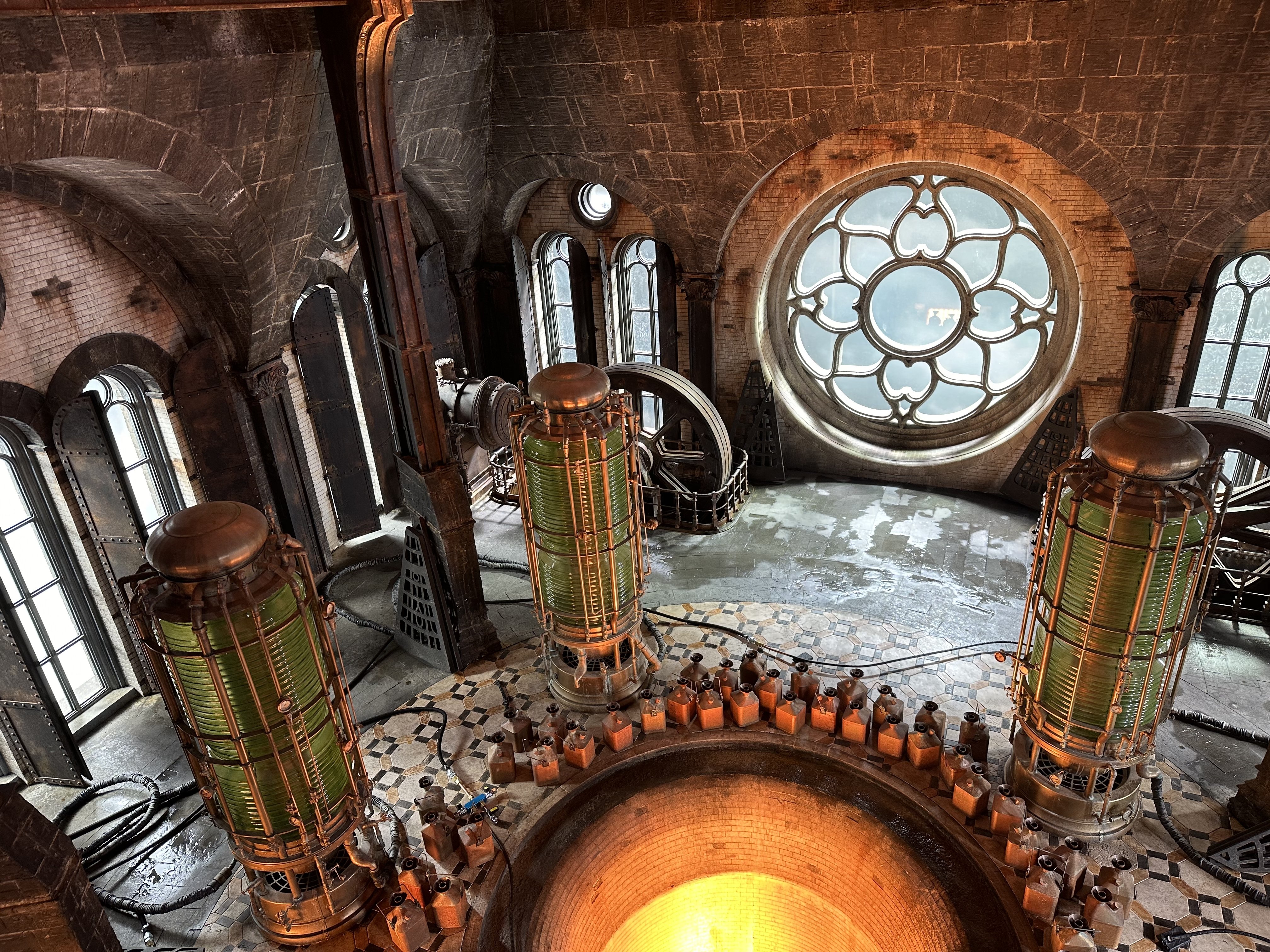
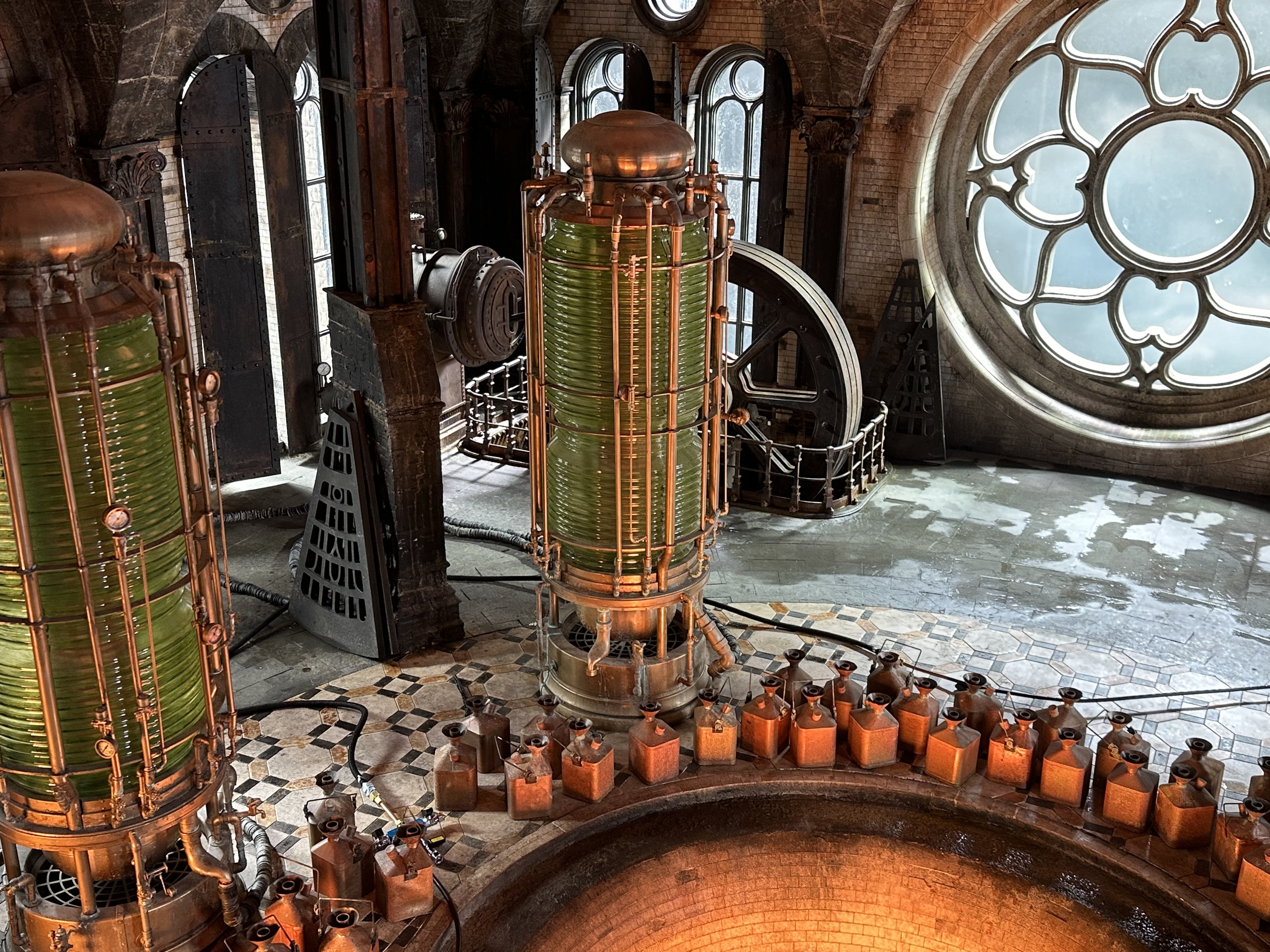
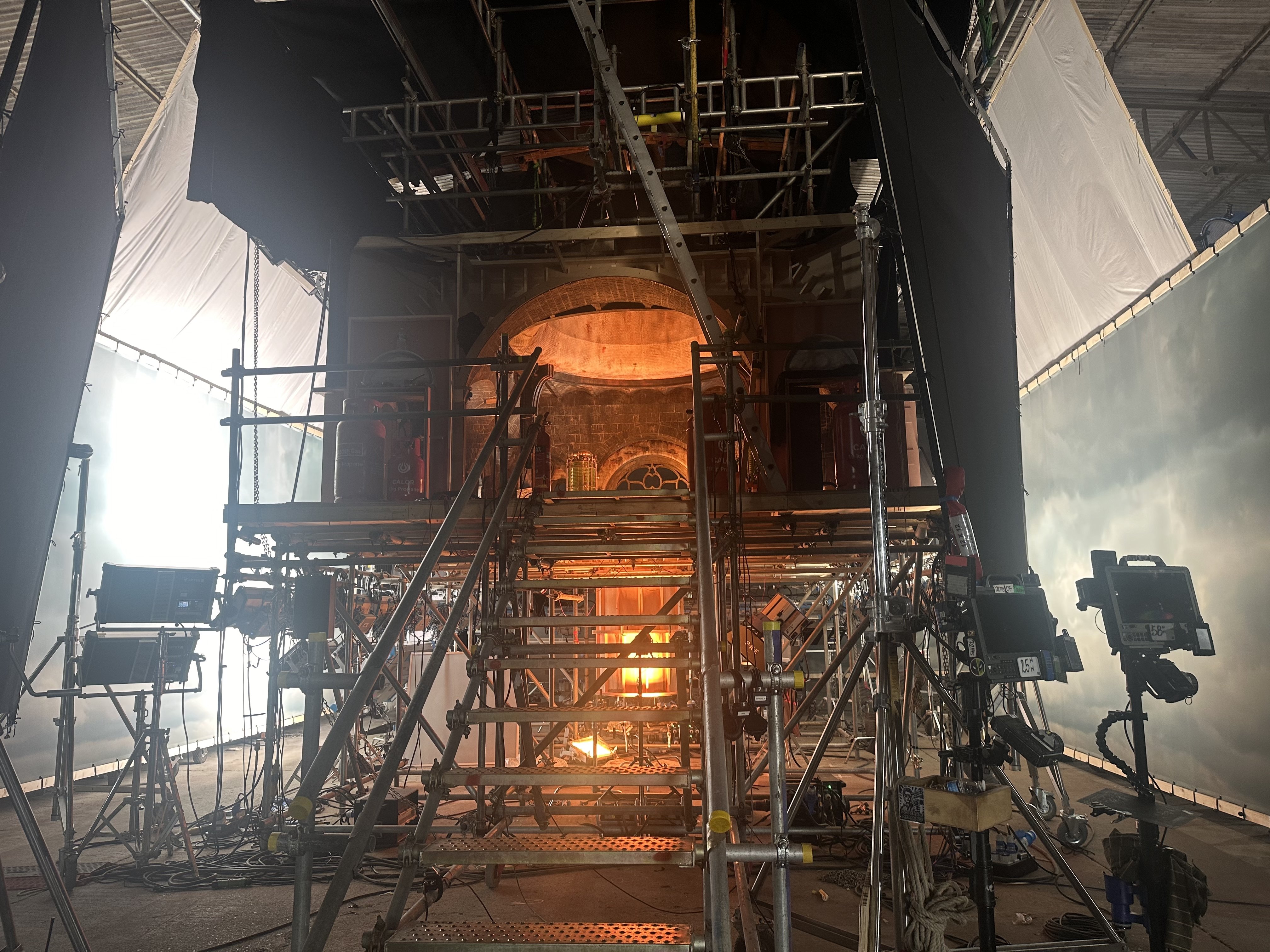
To build a 1⁄4-scale interior of Frankenstein’s lab, Granell visited the full-scale sets in Toronto and collected details of the glowing fuel cells and the spiral staircase, which model makers rigged for high-frame-rate destruction. “We worked out frame rates using the rule of thumb of taking the denominator of the scale,” Berardi explains. “You multiply that by frame rate, and that gets you in the ballpark. The formula doesn’t always work with fire and water, so we did a lot of frame-rate explorations. For instance, we shot the 1⁄4-scale lab interior at around 144 fps [at T11], and that allowed us to force perspective and make it believable. VFX then added digital fire as needed.”
Frankenstein's Lab — Interior
Frankenstein's Lab — Exterior
Images courtesy of Netflix and the filmmakers.